
 By Nesrin Hanish
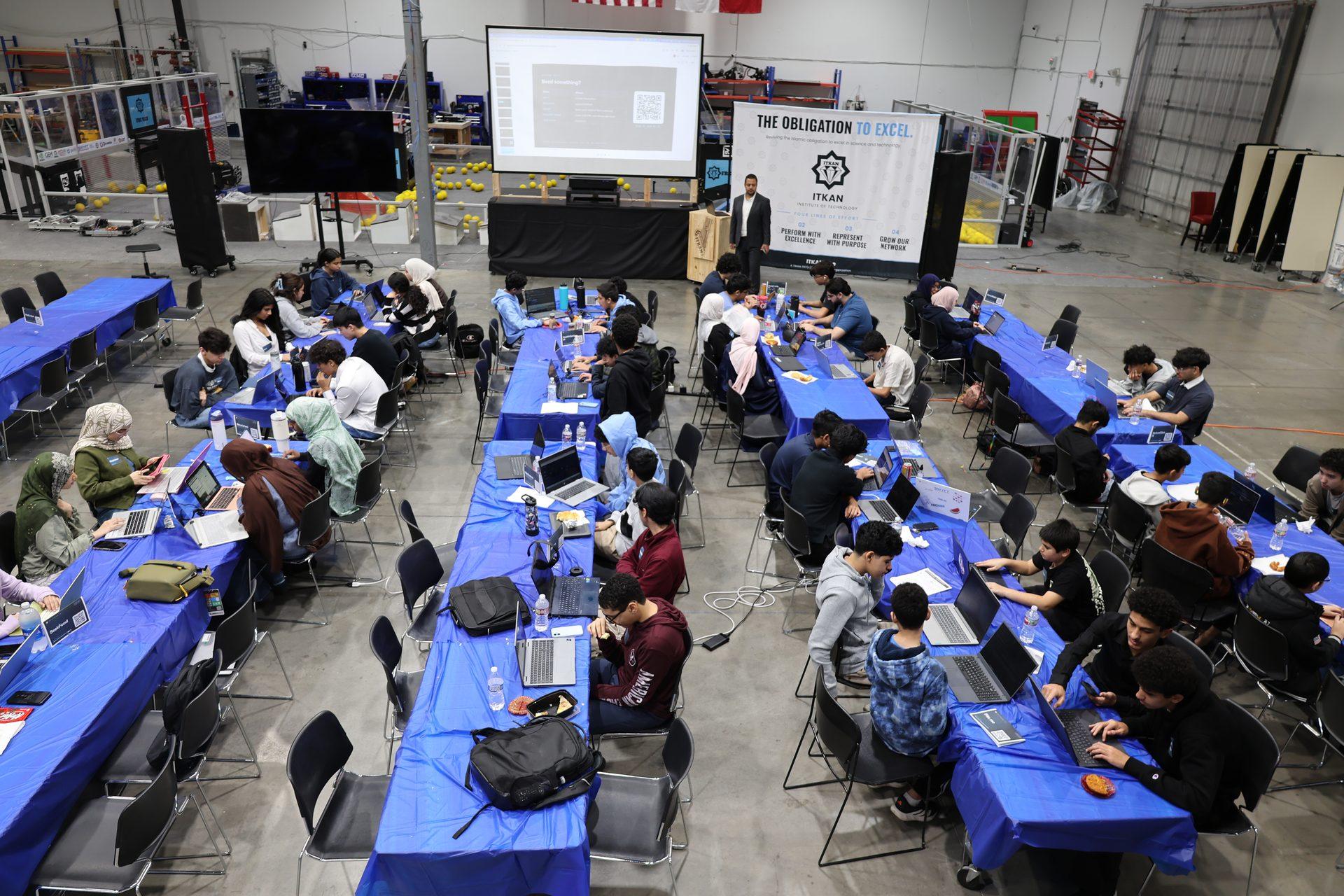
PLANO, Texas — Eighteen teams arrived at the ITKAN Innovation Hub on Saturday, November 21, with one challenge: build an AI-powered product in a single day.
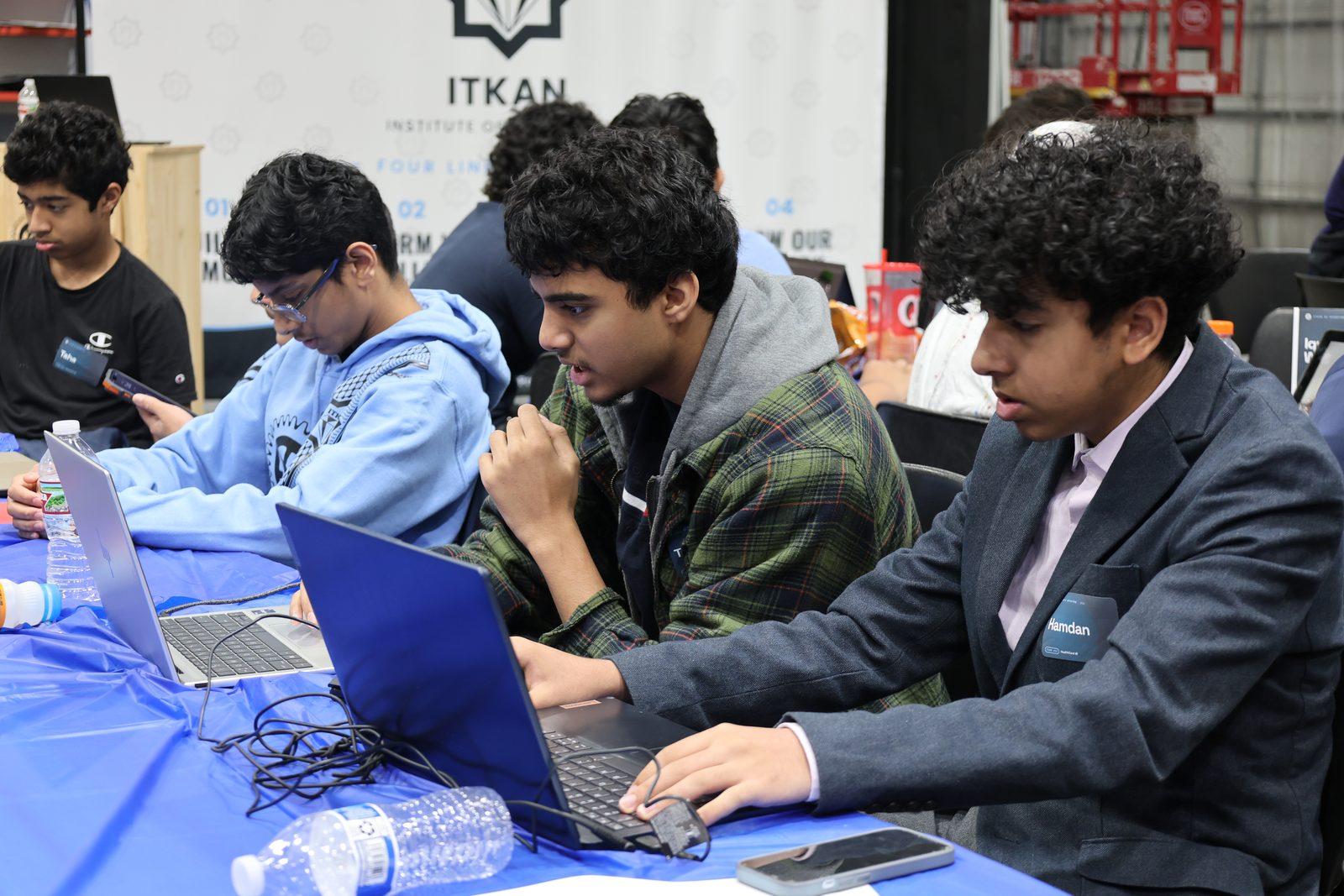
At 9:20 a.m., students in grades 6 through 12 began building from scratch. Planning and research were allowed beforehand, but no project development could begin until the clock started. By 5:00 p.m., every team had to present a working demonstration to a judge.
The challenge was simple: One day. One working demo.
More than 50 students participated, representing over two dozen public, private, and online schools, as well as homeschool families. Approximately one-third were middle schoolers, and while most participants came from FIRST robotics teams, nearly a third had no FIRST background.
Building under pressure
Projects were evaluated using a 100-point rubric, with 35 points dedicated to the idea and its potential impact and 65 to execution, including the working demo, AI implementation, and presentation.
Teams also received a $50 AI budget, access to three AI models, and a dedicated setup page to get their coding assistants running. Choosing which models to use became part of the challenge, as more capable models could consume the budget faster.
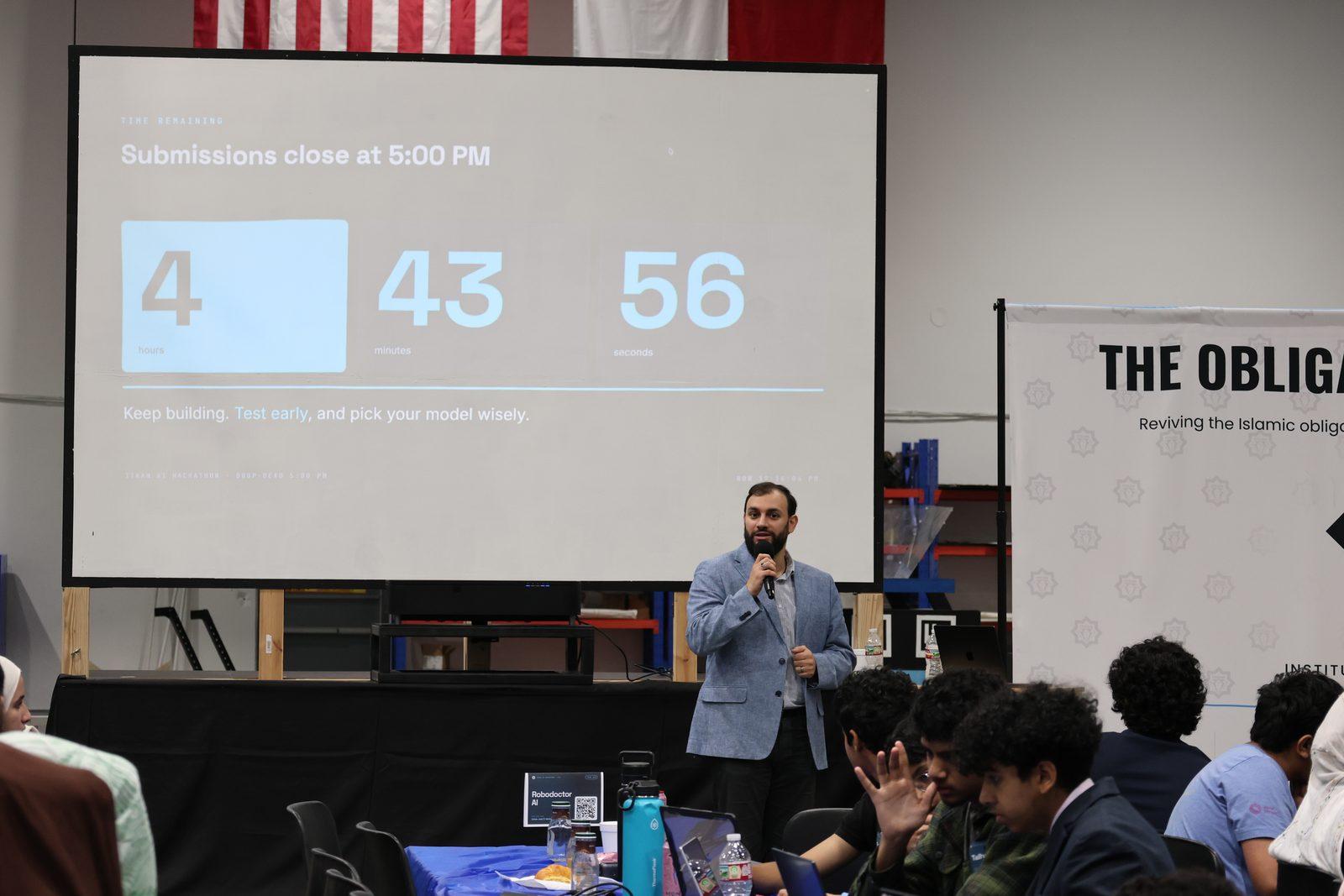
The emphasis was not simply on using AI, but understanding it. Teams were expected to explain their model choices, costs, limitations, verification methods, and approaches to protecting user data.
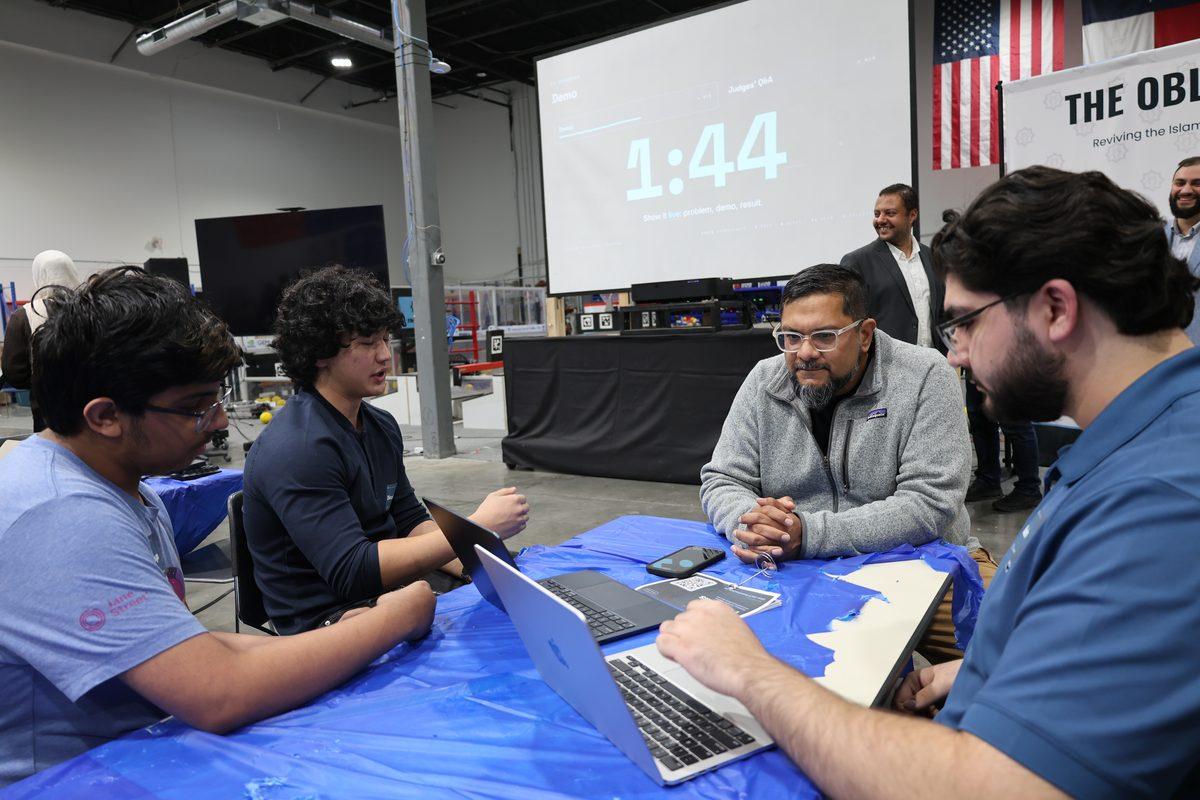
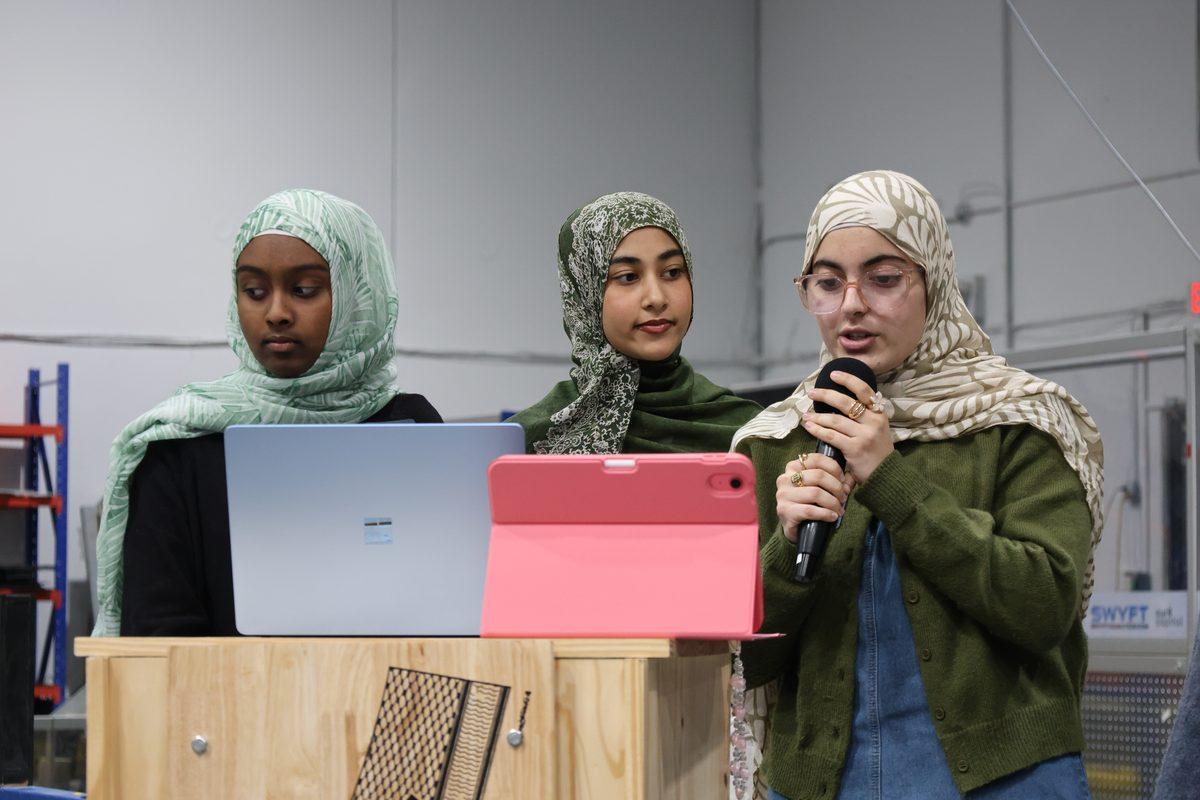
At 5:00 p.m., building stopped. The first round of judging gave each team four minutes to demonstrate its project, followed by three minutes of questions. Ten teams advanced to a second round, presenting to the full panel of four technology founders: Mohammad Musa (Deepen AI), Ehab Gabr (Sigmatic), Reshma Hyder (MASRIF and StyleMeAI), and Ahmed Reza (Yobi).
The winners
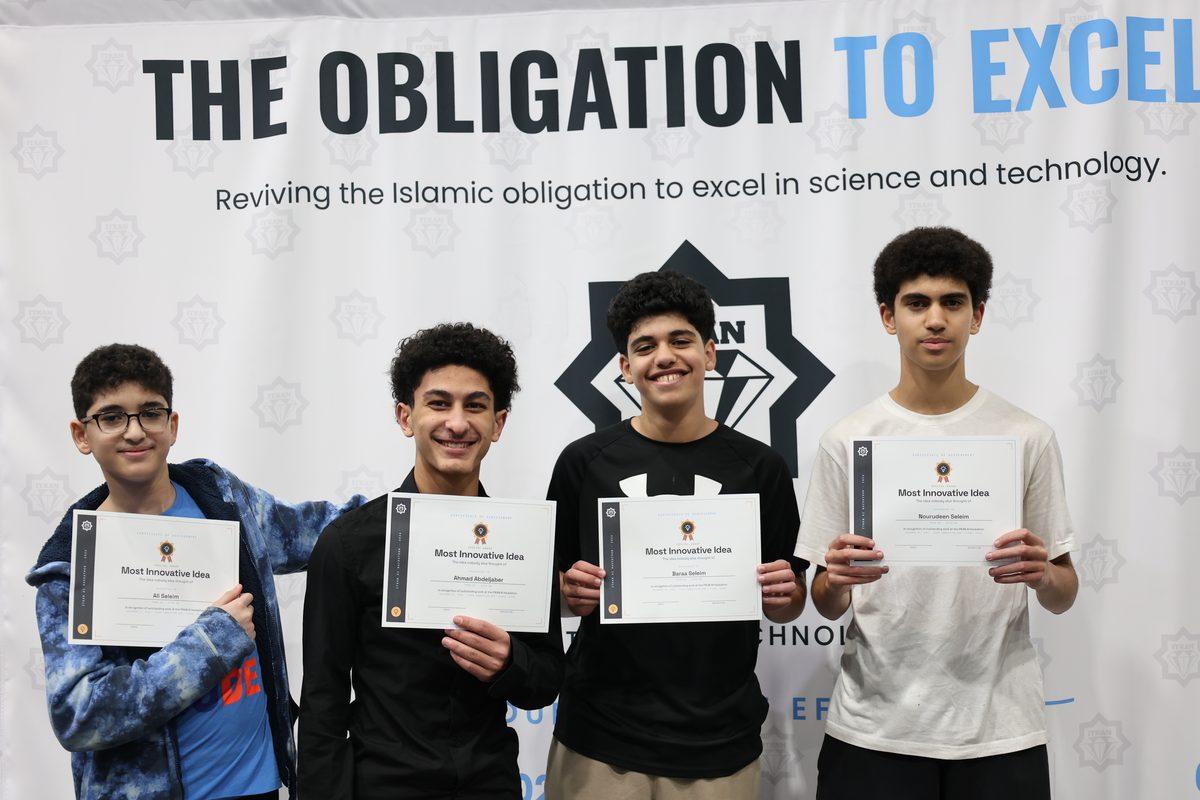
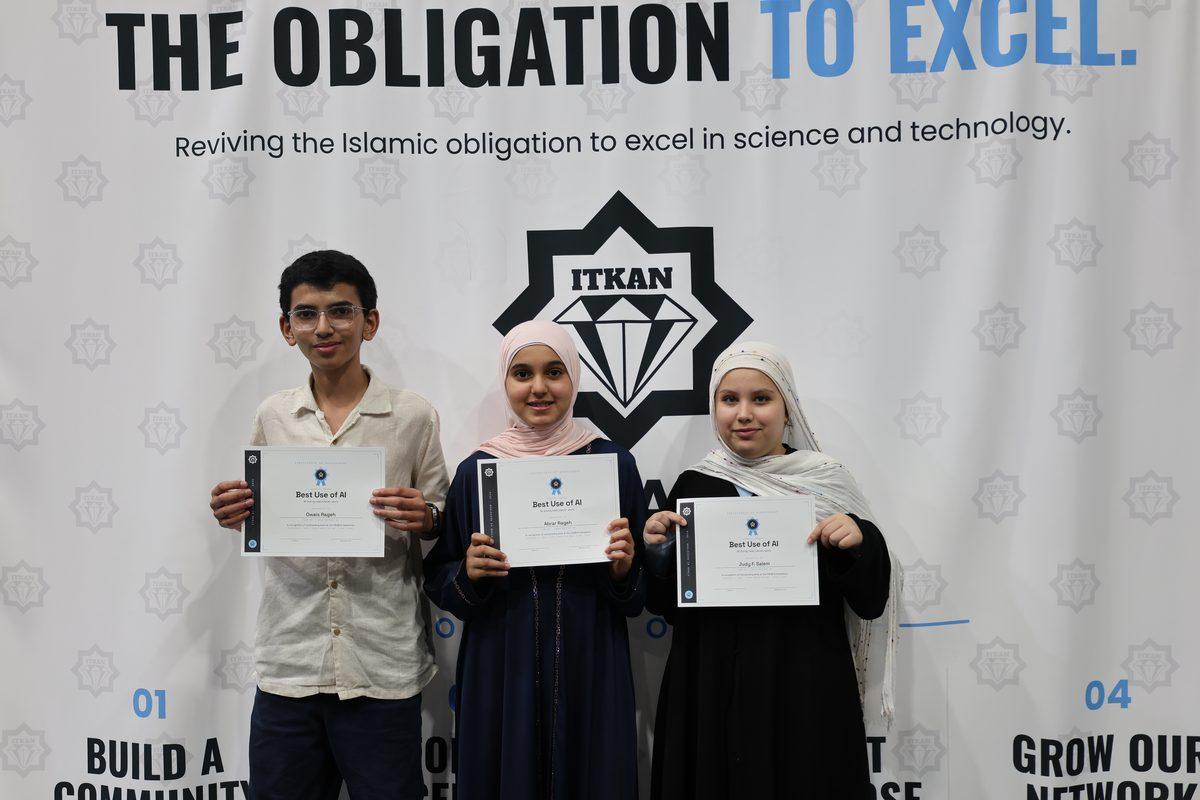
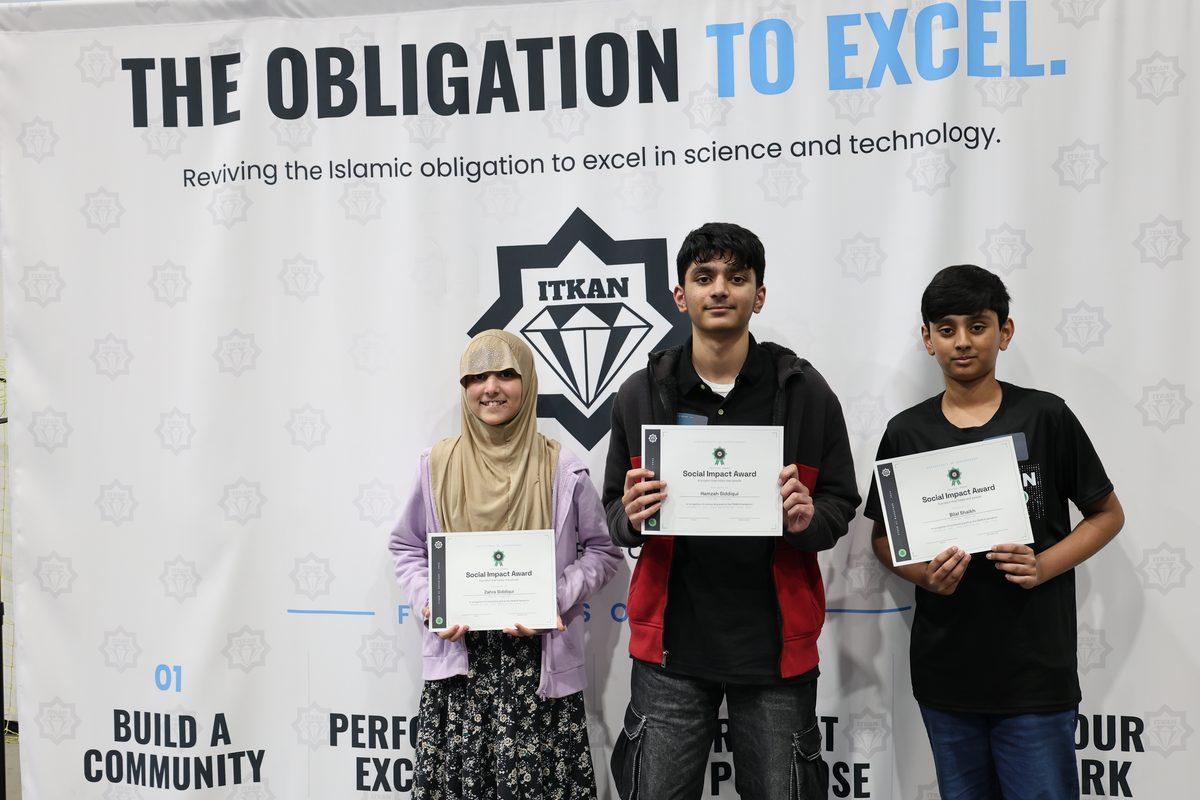
Six special awards recognized teams for standout ideas, technical execution, social impact, and presentation.
- Most Innovative Idea — Fits me (Team 07): A 3D clothing visualization tool that helps users see how online clothing might fit them.
- Best Use of AI — Iqraa Wartaqi AI (Team 09): A real-time Quran recitation assistant that identifies memorization and tajweed mistakes.
- Social Impact Award — SeekFood (Team 08): A platform connecting food providers with people experiencing food insecurity.
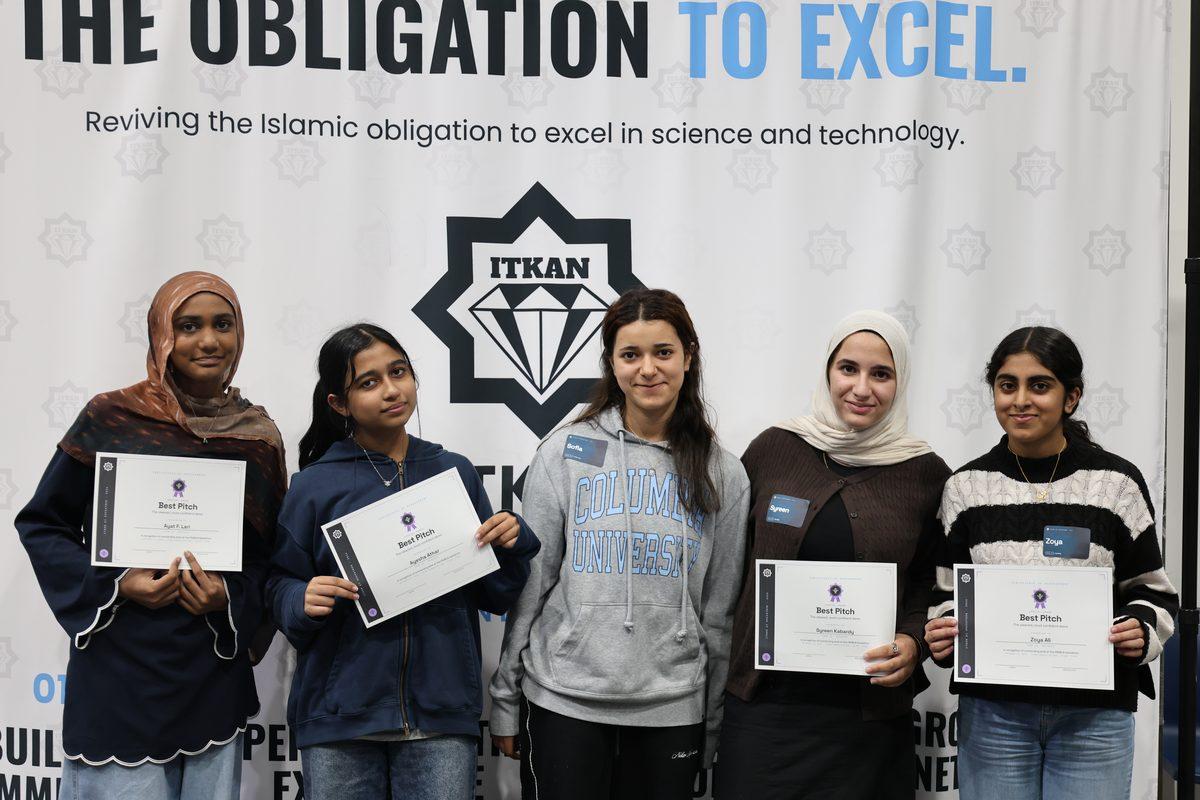
- Best Pitch — Decidify (Team 15): An AI-assisted decision-making platform that compares group preferences and priorities.
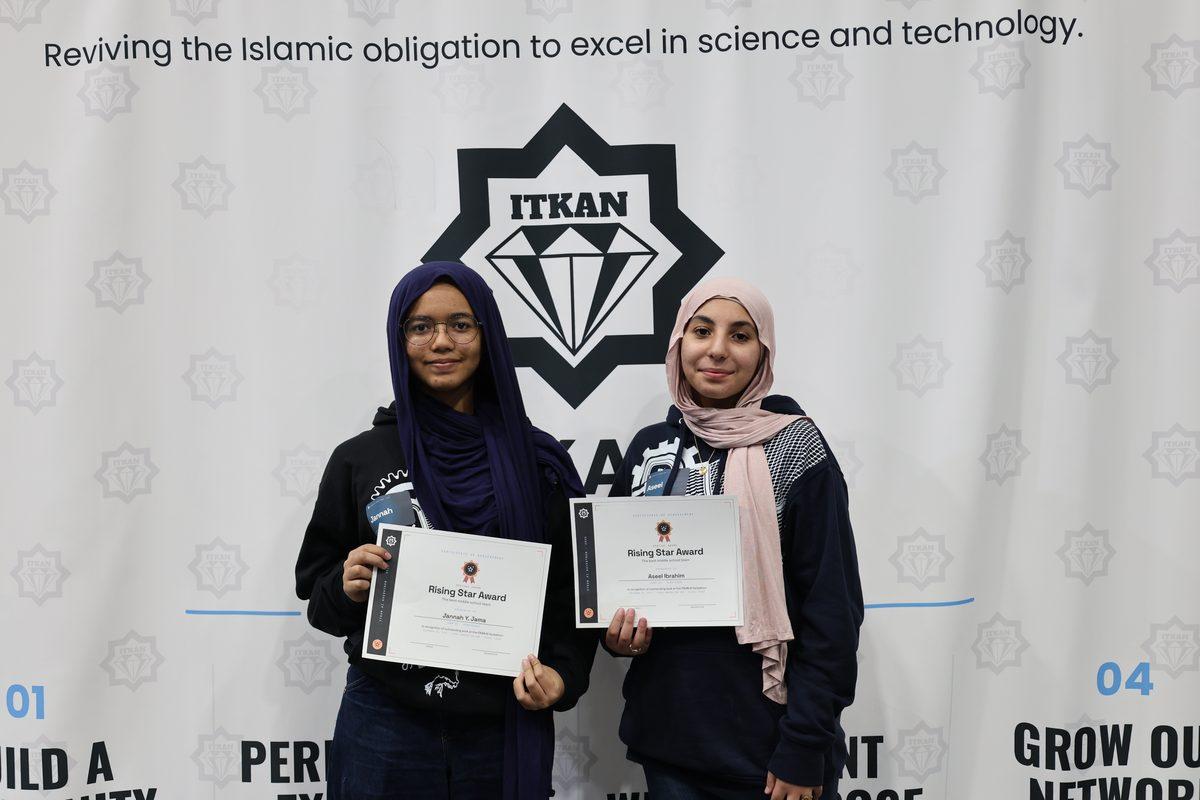
- Rising Star Award — ScoutSight (Team 02): An FTC match-analysis tool that evaluates robot performance using uploaded match footage.
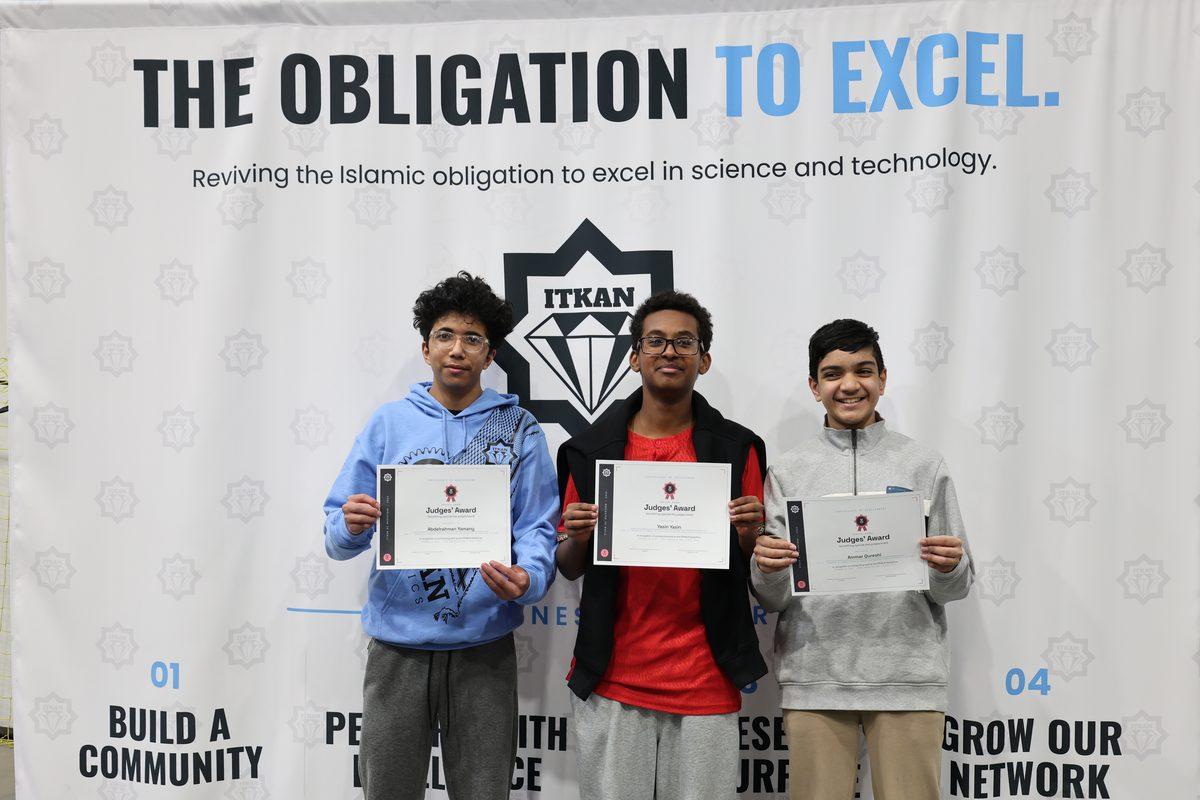
- Judges’ Award — Mednexus (Team 17): A virtual hospital simulation platform that helps administrators test staffing plans and predict operational challenges.
The overall placements were announced next.
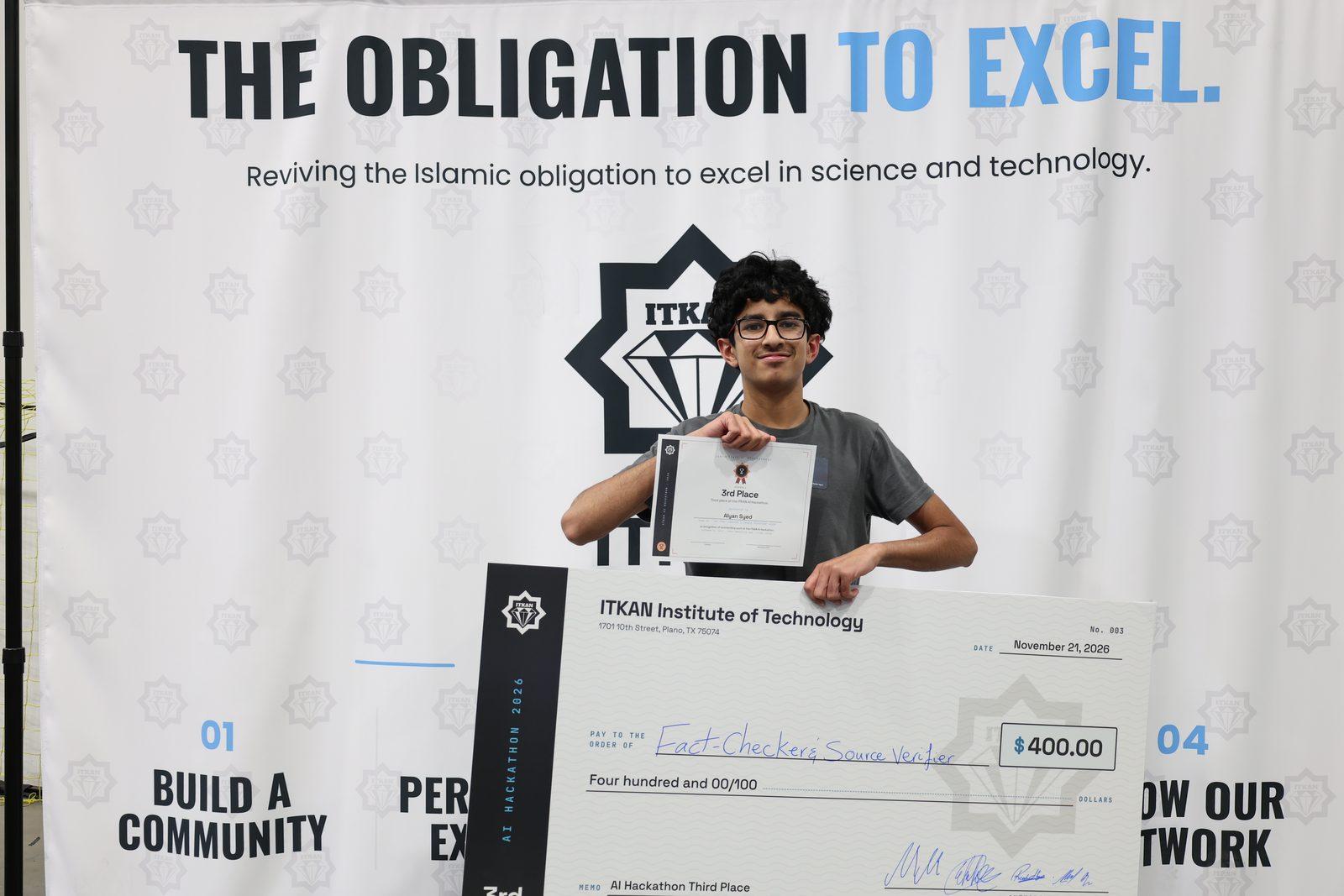
3rd Place — $400: Fact-Checker & Source Verifier Agent (Team 19). Developed by Alyan Syed, the tool breaks down written content into individual claims, checks them against live sources, and generates credibility reports with supporting links.
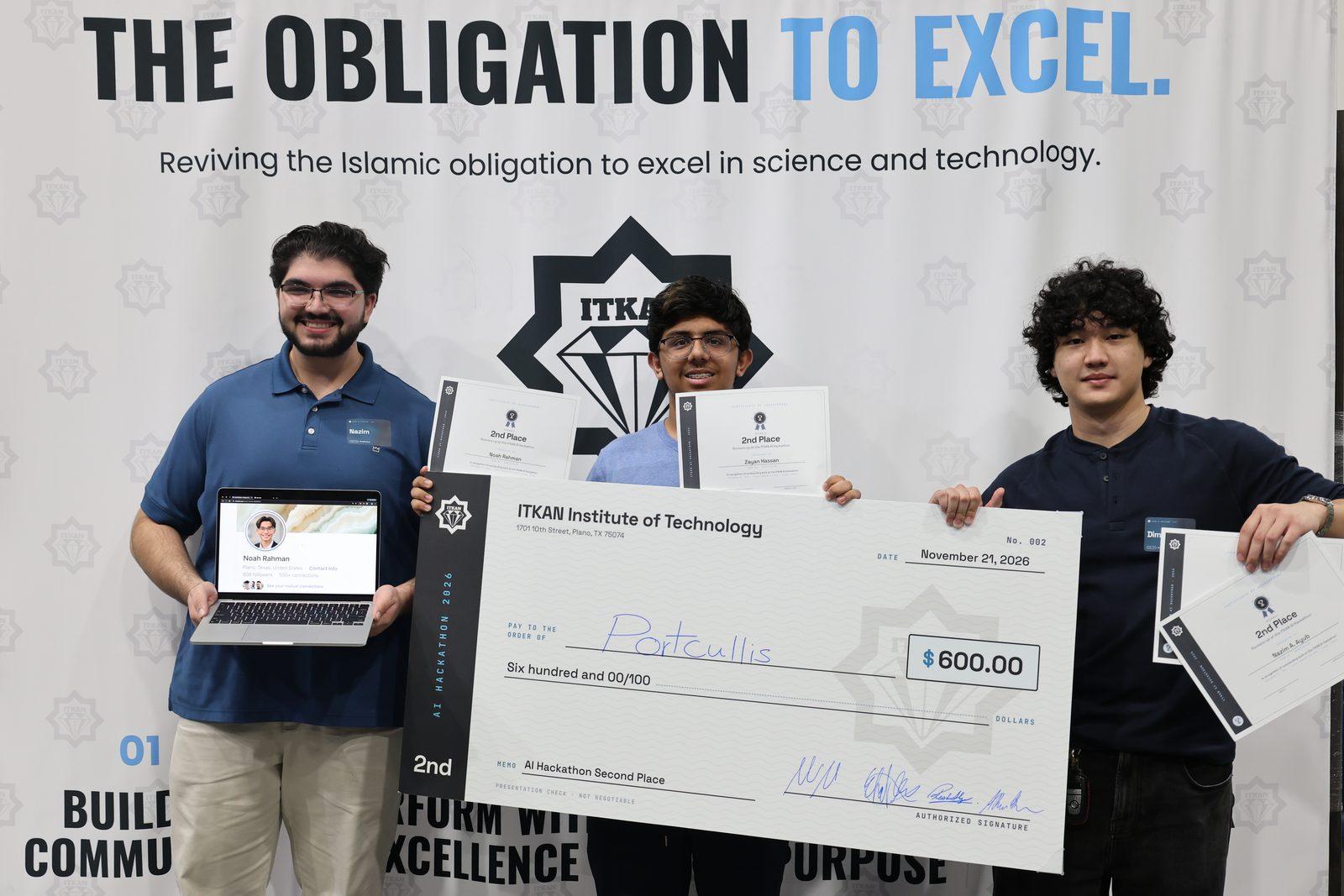
2nd Place — $600: Portcullis (Team 04). Created by Nazim A. Ayub, Zayan Hassan, Noah Rahman, and Dinmukhammed “Dimash” Baimakhan, Portcullis optimizes private AI server resources by prioritizing requests, managing workloads, and scheduling tasks during idle hours.
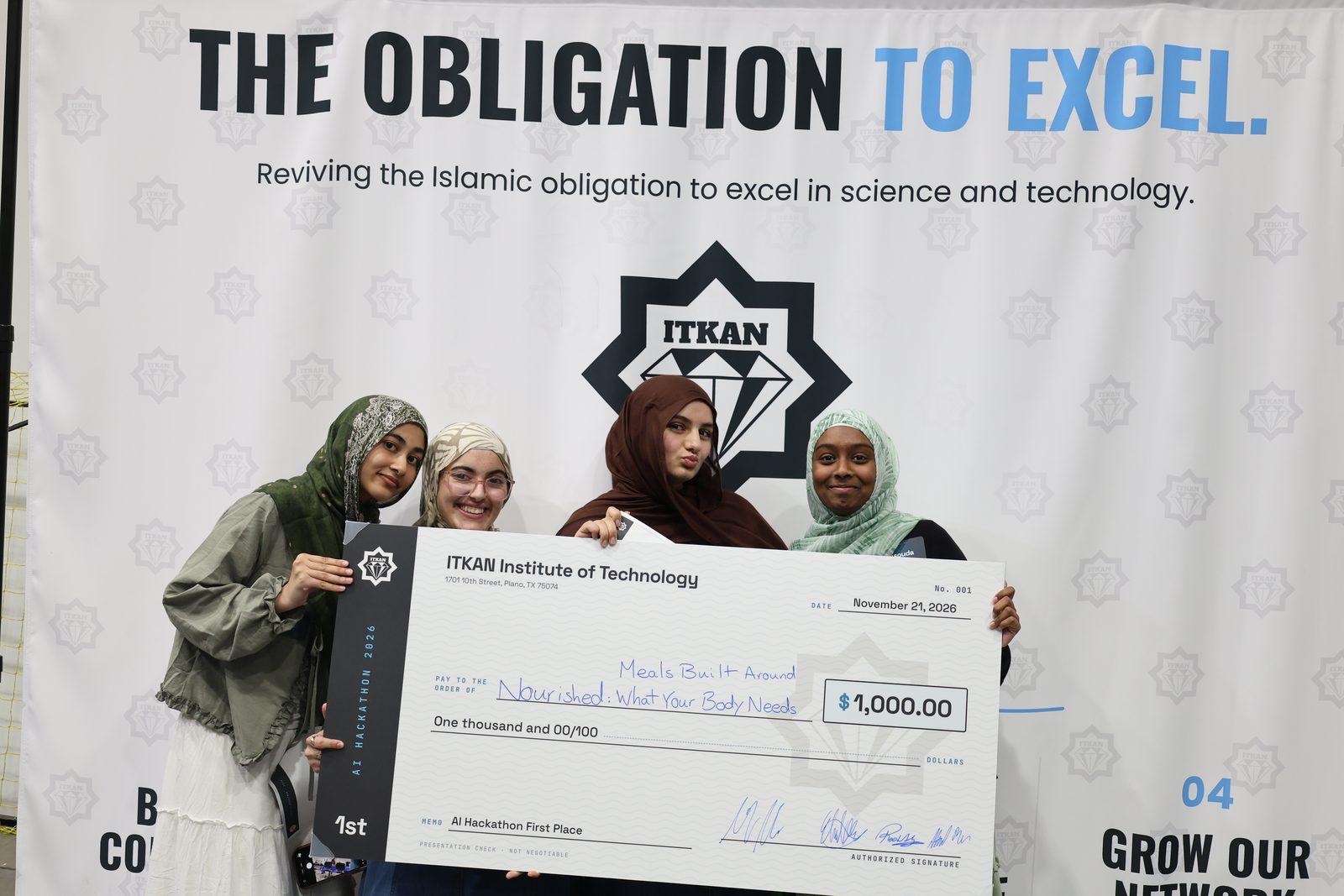
1st Place — $1,000: Nourished (Team 14). Masouda Khan, Masa Hammoudeh, Majdoleen Al-Jame, and Maliha Fatima developed Nourished, an AI-powered nutrition assistant that turns health recommendations, dietary needs, available ingredients, and budget constraints into practical meal suggestions. The platform also accounts for allergies and cultural preferences while learning from user feedback.
More than a competition
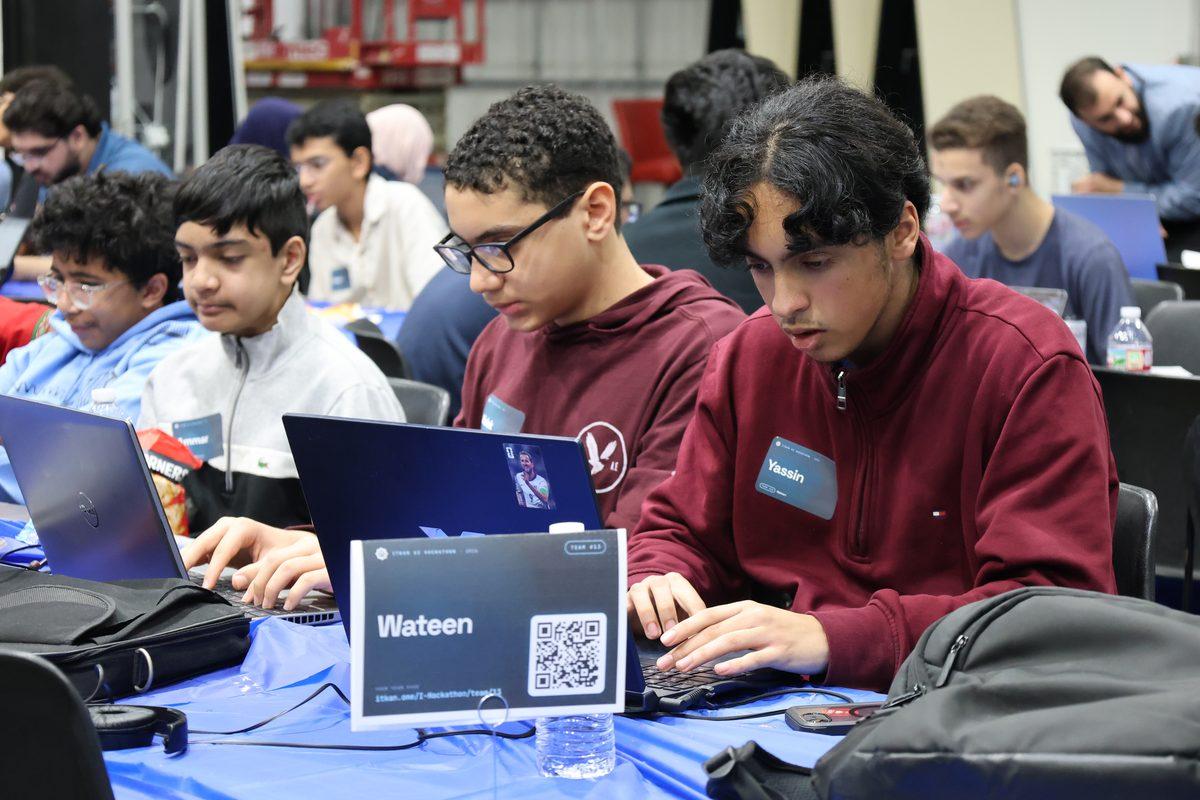
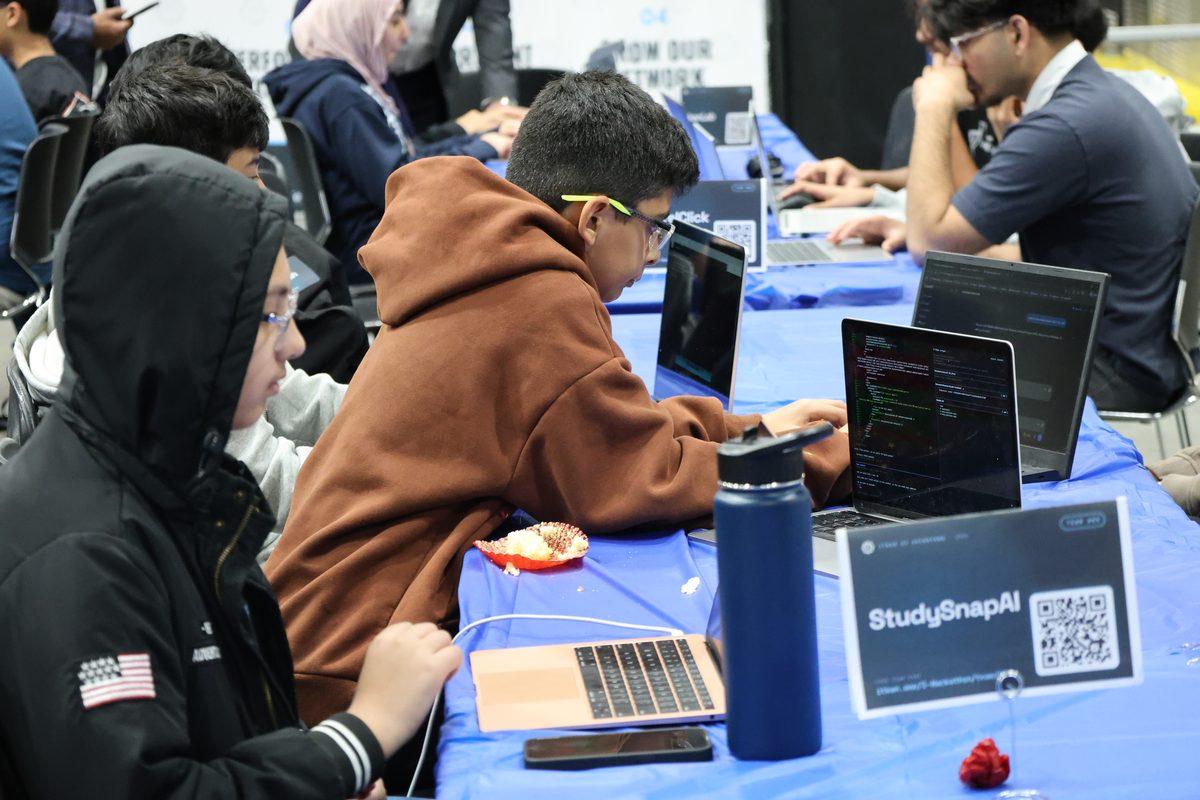
Beyond the finalists, projects explored applications in healthcare, education, cybersecurity, robotics, and everyday life. From Wateen’s voice-guided CPR coach to ItkanLab’s virtual FRC testing environment and StudySnapAI’s homework explanation tool, students tackled problems that extended well beyond the competition itself.
Middle school students also made a strong impression, earning four of the six special awards, including Best Use of AI, Social Impact, Rising Star, and Judges’ Award.
The event was made possible by judges Mohammad Musa, Ehab Gabr, Reshma Hyder, and Ahmed Reza; organizers Muhammad Gabr, Amin El-Naggar, and Ashraf Omar; and the parents and ITKAN community who supported the students throughout the day.
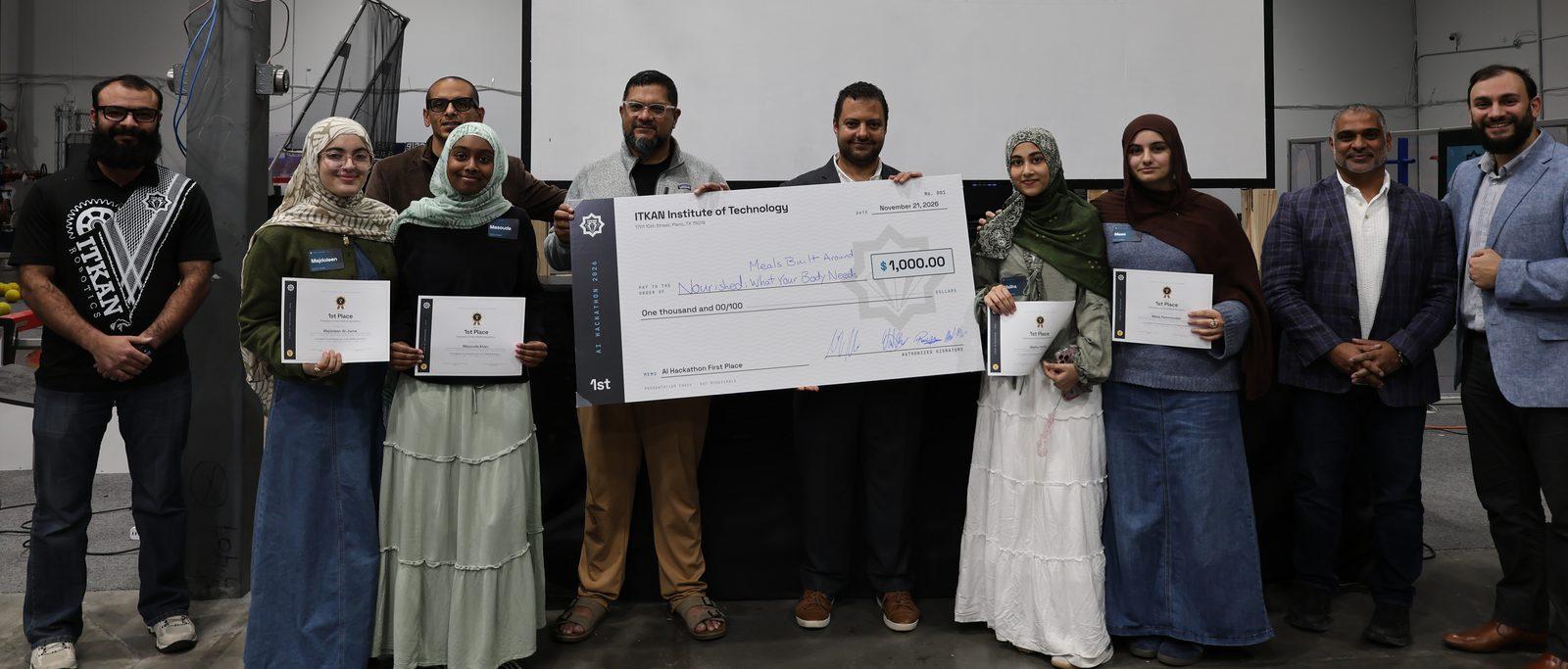
Eighteen teams walked in with ideas and empty project folders. By evening, they had built, tested, and presented their work. Nine teams received awards, but the achievement extended beyond the podium: students experienced firsthand what it takes to turn an idea into something real.
One day. One working demo. Eighteen teams. A whole lot of possibilities.